
Learning guide
Help your child build skill without making lessons a struggle
Parents often focus first on the age a child should begin, but readiness also includes attention, willingness to imitate sounds and the ability to follow a short routine. A gentle start at the right pace is more important than reaching a particular page by a particular birthday.
This section helps families choose a starting point, teacher and schedule. Look for clear correction, age-appropriate lesson length, visible progress and communication that tells you what to practise at home. Children differ, so compare progress with the child's own baseline rather than with siblings or classmates.
A practical learning path
- 01
Look for readiness, not a magic age
Consider attention, speech development, interest and the ability to copy a sound for a few minutes at a time.
Read the guide → - 02
Choose the teacher-child fit
A suitable teacher combines correct recitation with patience, clear boundaries and a pace that keeps the child participating.
Read the guide → - 03
Support practice without reteaching
Use the teacher's assigned exercise, keep practice short and report difficulties. This avoids giving the child conflicting pronunciation instructions.
Articles
Read about for parents
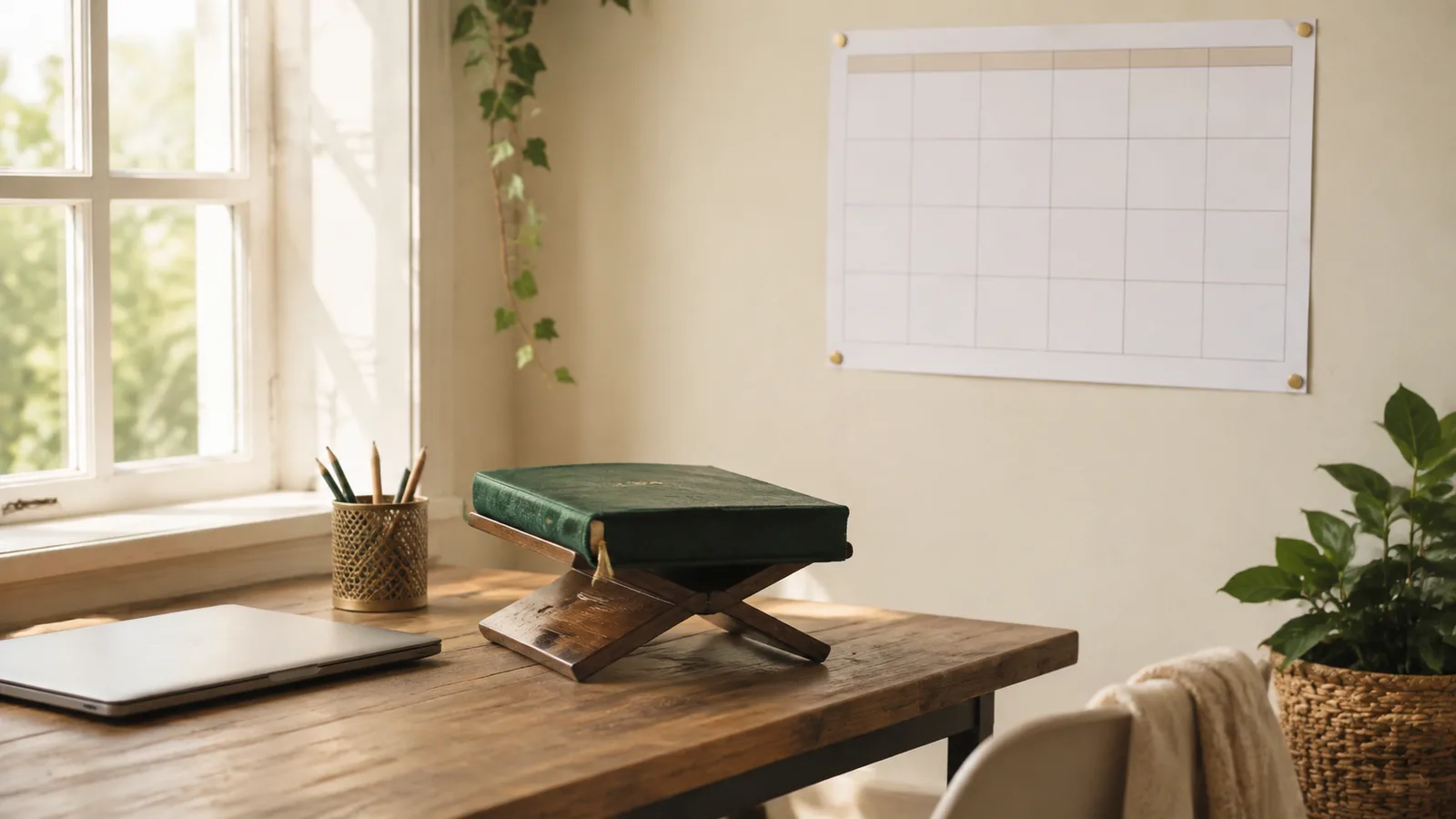
Quran Classes for Homeschoolers: Fitting Quran Into a Home Curriculum
A practical guide to giving Quran a fixed place in a home curriculum, with a live teacher handling the subject while you co-ordinate the rest of the day.
Sep 5, 2026Read →

Quran Classes for Special Needs Children: What Helps and What to Ask
Why private lessons often suit children with additional needs, the adjustments families commonly ask for, and what to tell the teacher before you begin.
Sep 5, 2026Read →

Quran Class Progress Reports: What Parents Should Look For
What a good monthly report should tell you, how to read it without over-reacting to page counts, and how to turn it into a better conversation with the teacher.
Sep 5, 2026Read →

Online Quran Class Setup at Home: Space, Device and Sound
Where to put the desk, how high the camera should be, why headphones matter for hearing letters, and a two-minute routine that makes every lesson start on time.
Sep 5, 2026Read →
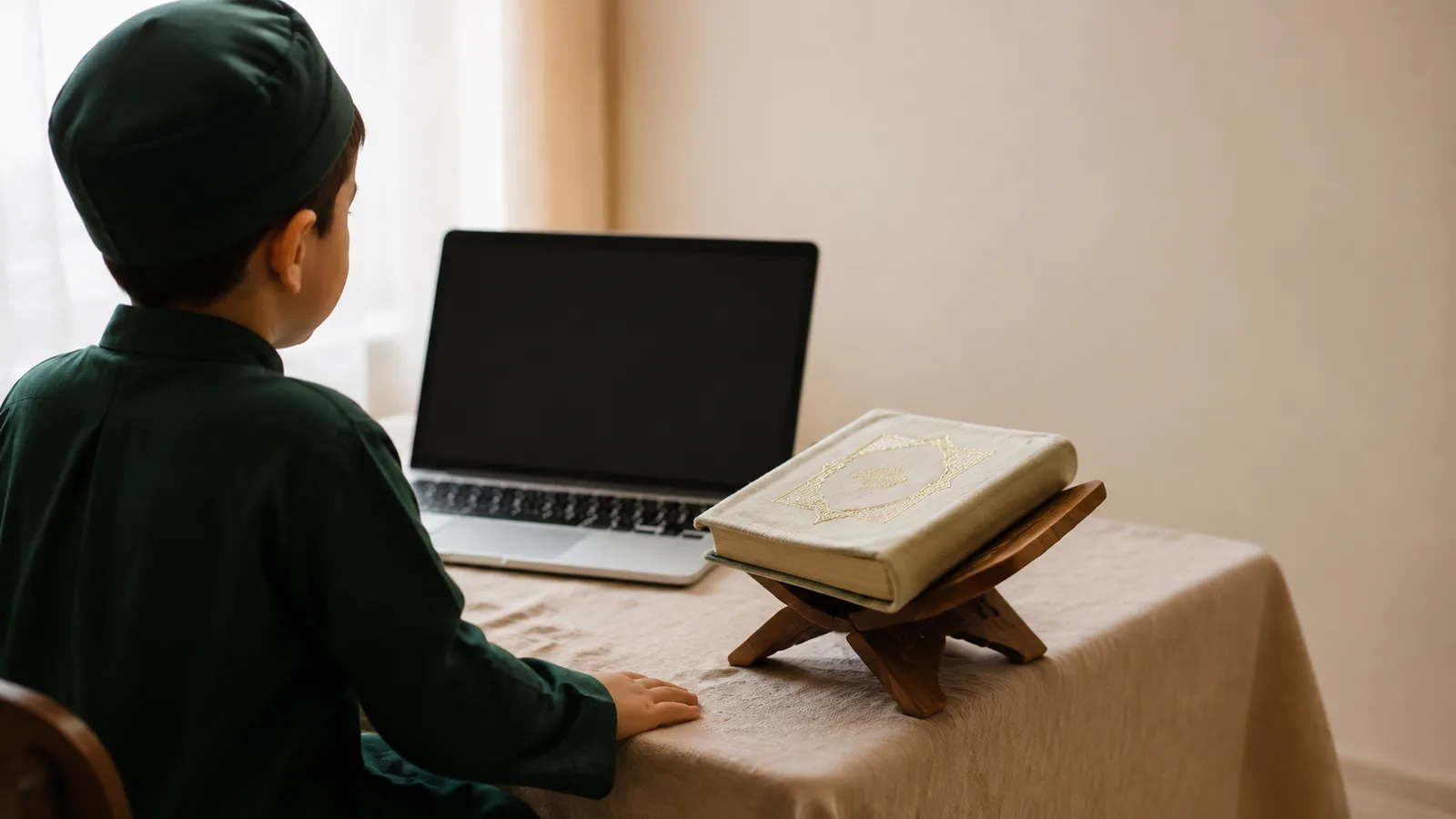
Tajweed for Kids: When to Start and How Children Learn It
Children absorb Tajweed by ear long before they learn its vocabulary. Here is what that looks like at each stage and how a one-to-one teacher builds it.
Sep 5, 2026Read →

How to Build an After-School Quran Routine That Lasts
A practical way to place Quran lessons, homework, dinner and rest into the same week without making every evening feel rushed.
Sep NaN, 2026Read →

Online Quran Classes for Siblings: A Parent's Planning Guide
How to schedule siblings, decide between separate and shared lessons, manage devices and keep comparison out of their Quran learning.
Sep NaN, 2026Read →
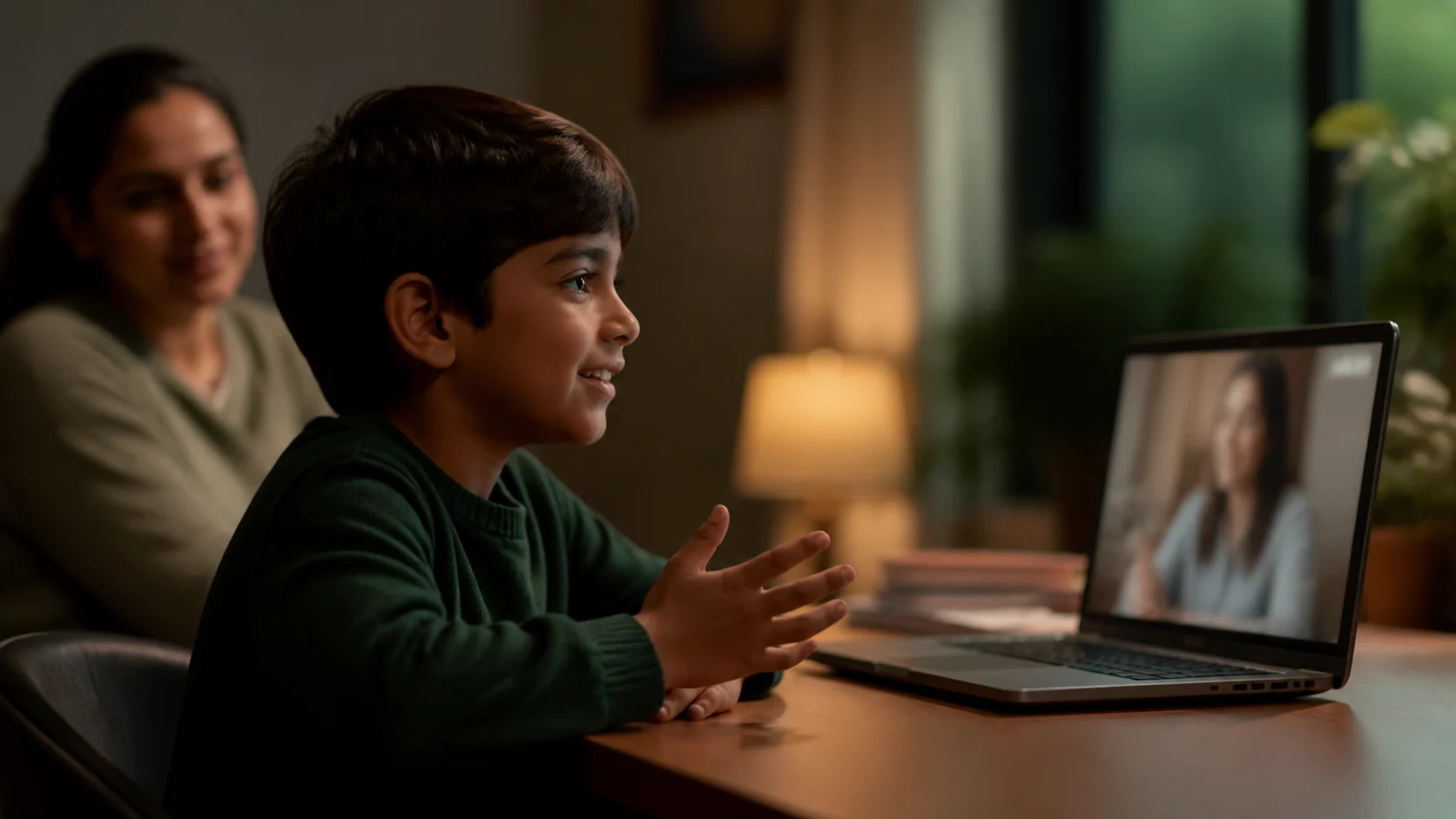
How to Help a Shy Child Read Quran Aloud
Practical ways to reduce performance pressure, choose the right teacher and help a hesitant child become comfortable reading aloud.
Sep NaN, 2026Read →

A Parent's Role in Online Quran Lessons
When to sit nearby, when to step back, what to monitor and how to support practice without becoming a second teacher.
Sep NaN, 2026Read →
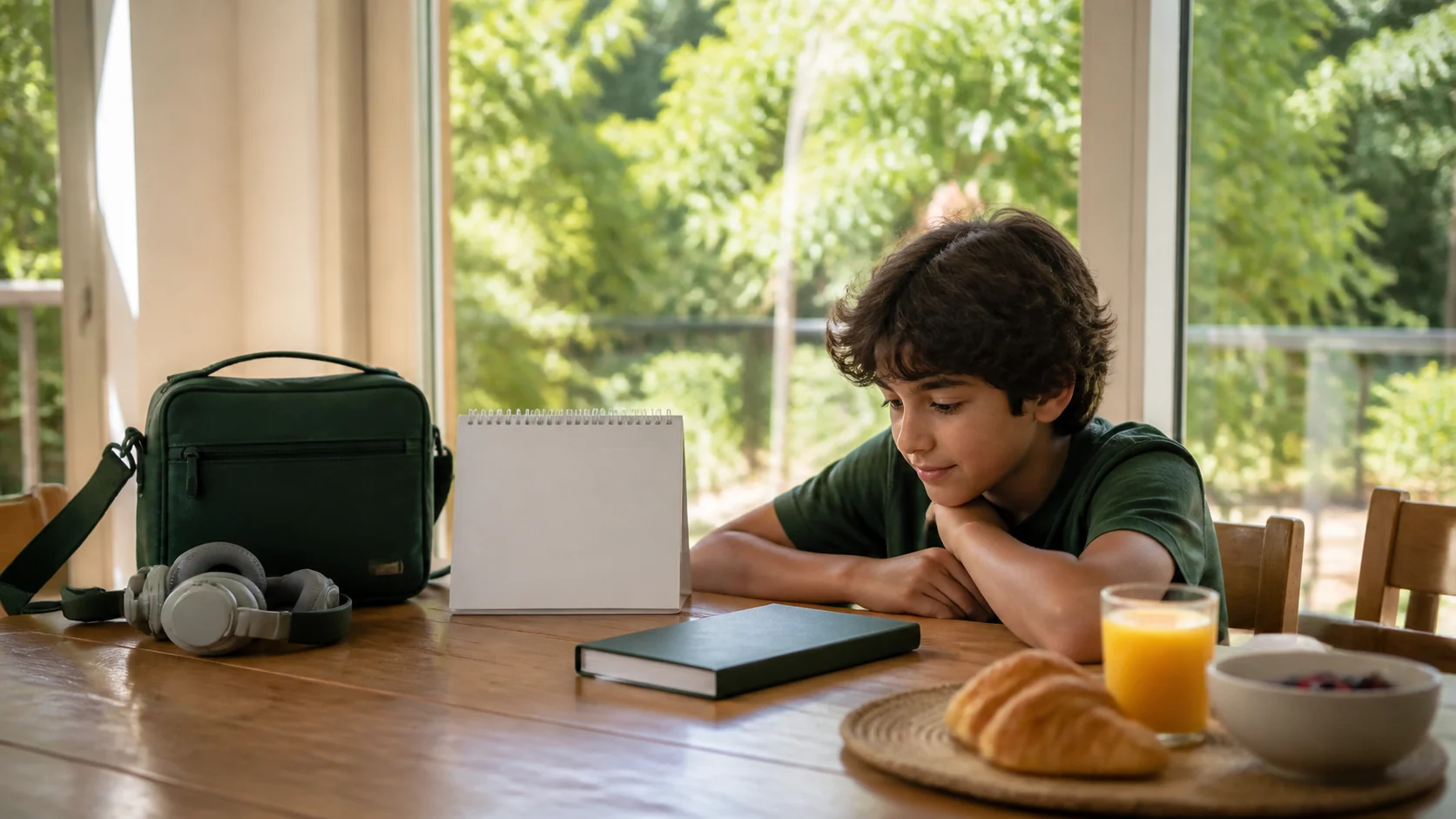
Quran Study During School Holidays: Keep Momentum Without Pressure
A flexible holiday plan for maintaining Quran learning through travel, late mornings, family visits and changing routines.
Sep NaN, 2026Read →

How to Keep Children Engaged in Quran Lessons
Engagement grows from the right level of challenge, clear feedback, movement, variety and a teacher who understands the child.
Aug 21, 2026Read →
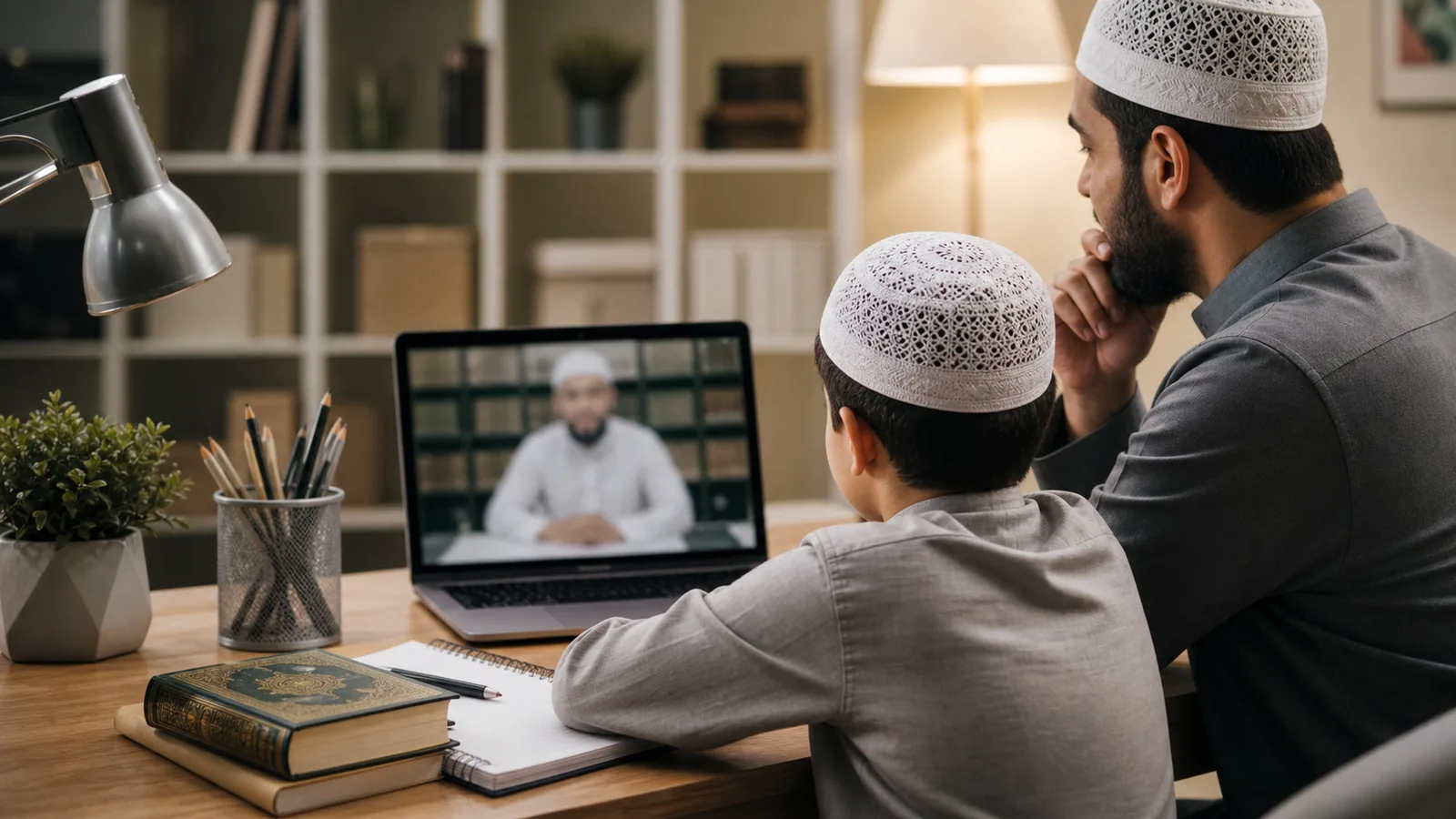
How to Choose a Quran Teacher for Your Child
Use this practical checklist to assess recitation ability, teaching skill, communication, safeguarding and whether your child feels able to learn.
Aug 21, 2026Read →
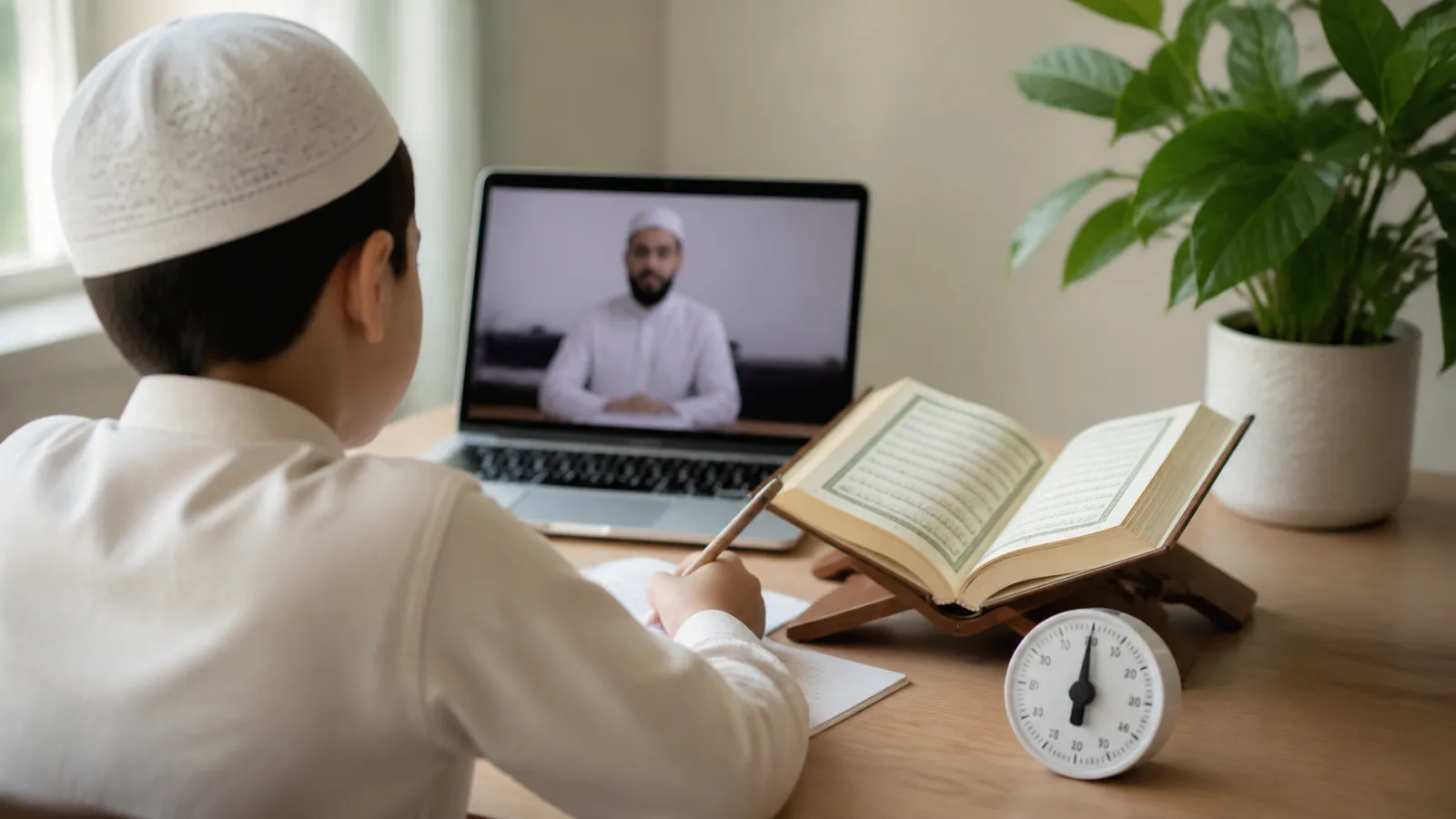
Screen Time and Quran Study: Finding the Balance
Online Quran lessons can be active human teaching rather than passive screen use. Structure the device, breaks and home environment with care.
Aug 21, 2026Read →
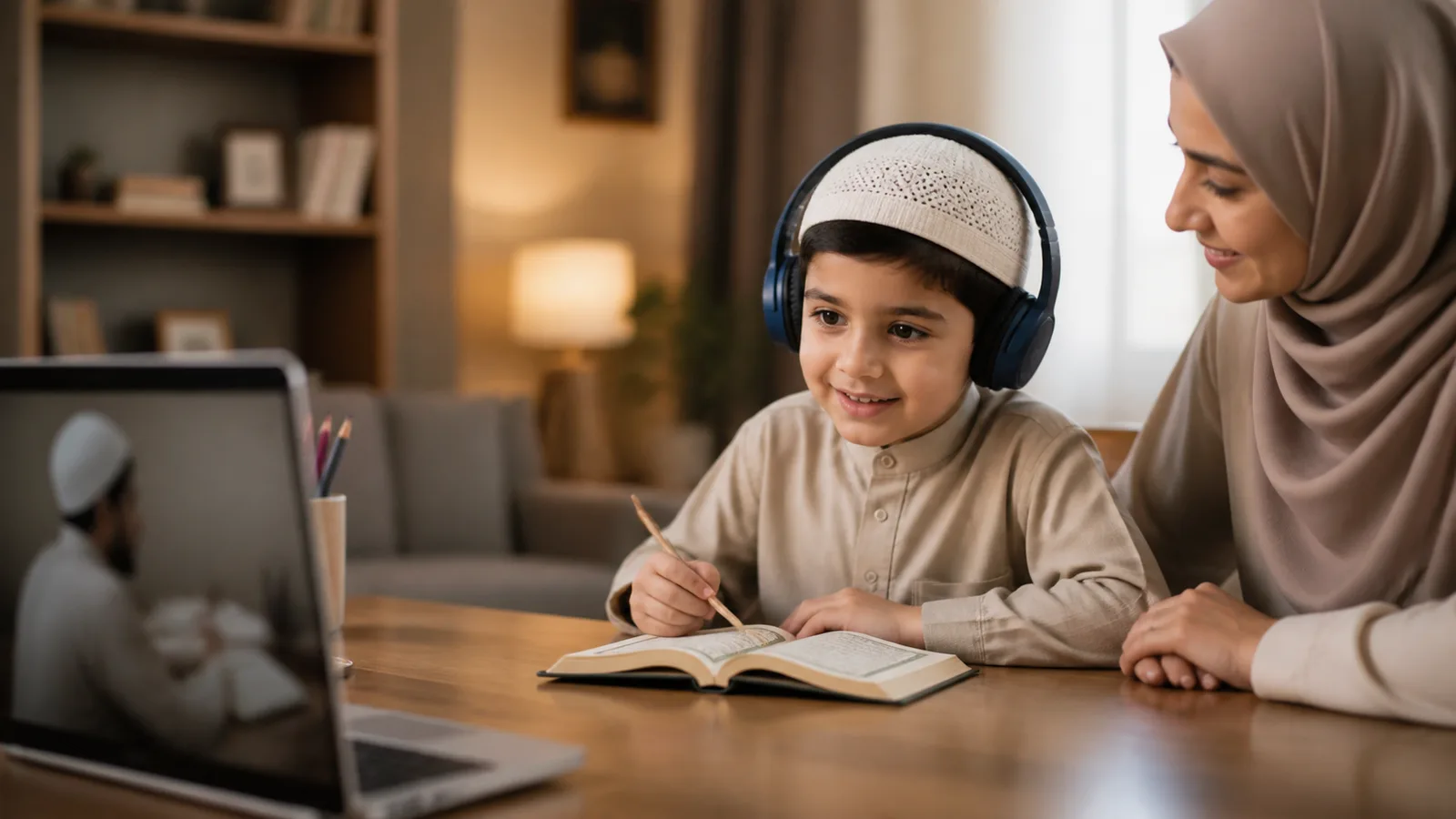
Signs Your Child's Quran Teacher Is a Good Fit
Look beyond whether the child behaves quietly. The best signs include clear correction, emotional safety, steady progress and honest communication.
Aug 21, 2026Read →
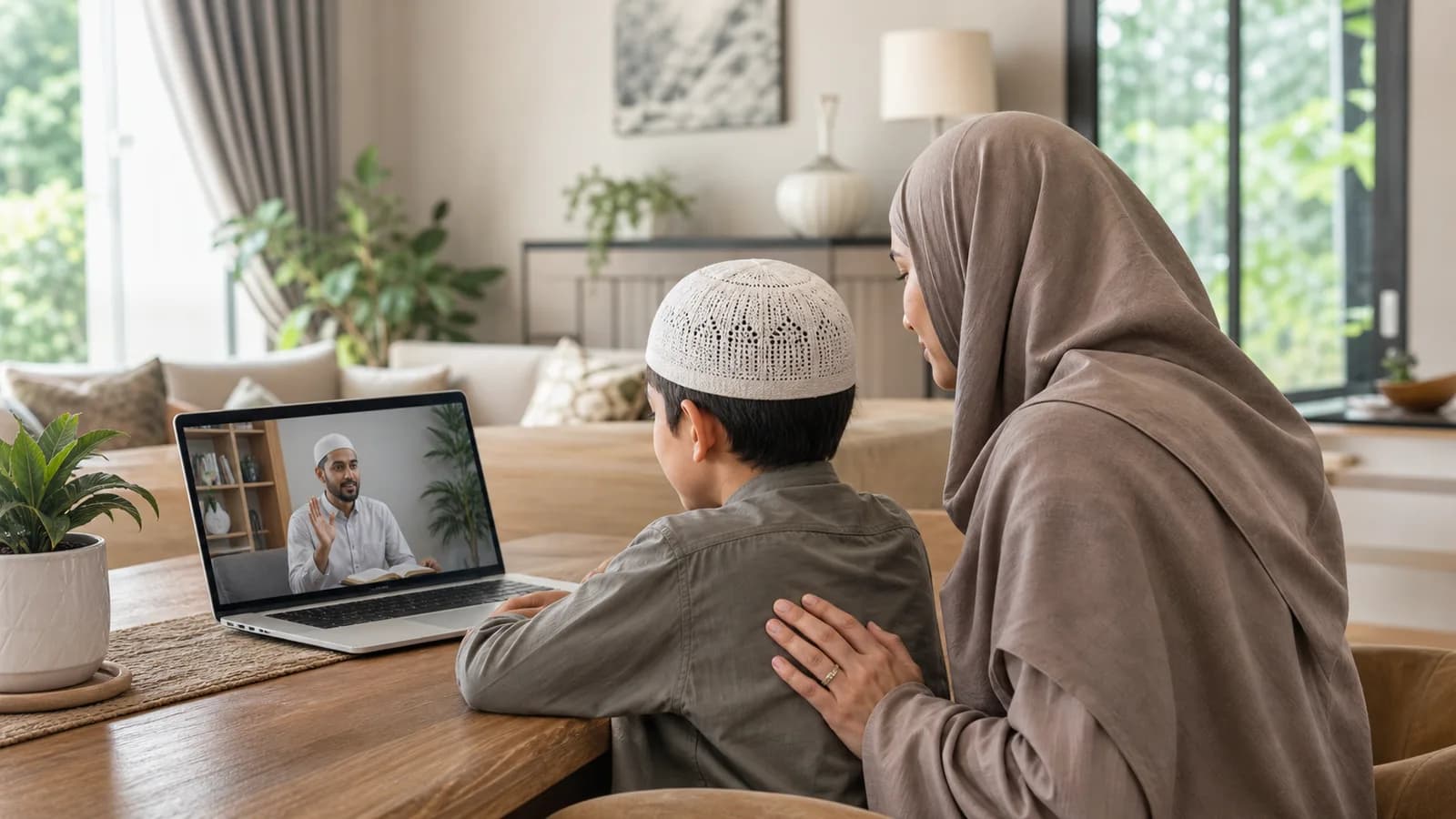
Are Online Quran Classes Safe for Children?
Online learning can be structured safely when families combine visible spaces, clear policies, parent oversight and professional boundaries.
Aug 21, 2026Read →

What's the Best Age for Kids to Start Quran Classes?
How young is too young, what to expect at each age, and how to keep children motivated in their Quran journey.
Jun 25, 2026Read →
Questions learners ask
How long should a young child's lesson be?
It should be short enough for the child to remain responsive. The appropriate duration depends on age and attention, and can grow as the learner becomes comfortable with the routine.
What if my child resists Quran lessons?
First identify whether the difficulty is timing, lesson length, teacher fit, task difficulty or pressure around mistakes. Adjusting the cause is more useful than simply adding rewards or consequences.
How can a parent judge progress?
Ask for concrete indicators: letters now recognised, recurring sounds improving, lines read with fewer prompts, Surahs retained, and the exact practice goal before the next lesson.
Browse other topics
Where we teach
Live one-to-one lessons, scheduled around your local timetable.
Who we teach
Every plan is built around the student's age, level and goal.