

How to Improve Quran Recitation: A Practical Plan
Practice improves recitation only when it is aimed at something. Record a baseline, fix accuracy before speed and repeat a four-week cycle with a teacher's ear.
Sep 5, 2026Read →

A Daily Quran Reading Routine You Can Actually Keep
A routine survives a bad week when it has a small minimum, a fixed cue and a plan for missed days. Worked examples for a parent, a student and a working adult.
Sep 5, 2026Read →

Commonly Confused Arabic Letters for Quran Learners
Eight pairs of Arabic letters that share everything but their place in the mouth, described by where each sound is formed, with a loop for telling them apart.
Sep 5, 2026Read →

How to Read Quran Fluently Without Stumbling
Fluent reading is recognition, not speed. Why learners stumble, how to read in phrases and reread a page, and when to go back to the Qaida instead.
Sep 5, 2026Read →

Arabic Harakat: A Beginner's Guide to Short Vowels
Fathah, kasrah and dammah read as one sound with the consonant, practised across rows, and why the mushaf shows every mark while everyday Arabic does not.
Sep 5, 2026Read →

Sukoon and Shaddah: Reading Stillness and Doubling in Arabic
A letter with no vowel and a letter read twice: what sukoon and shaddah look like, how to join and hold them, and the errors teachers hear most.
Sep 5, 2026Read →
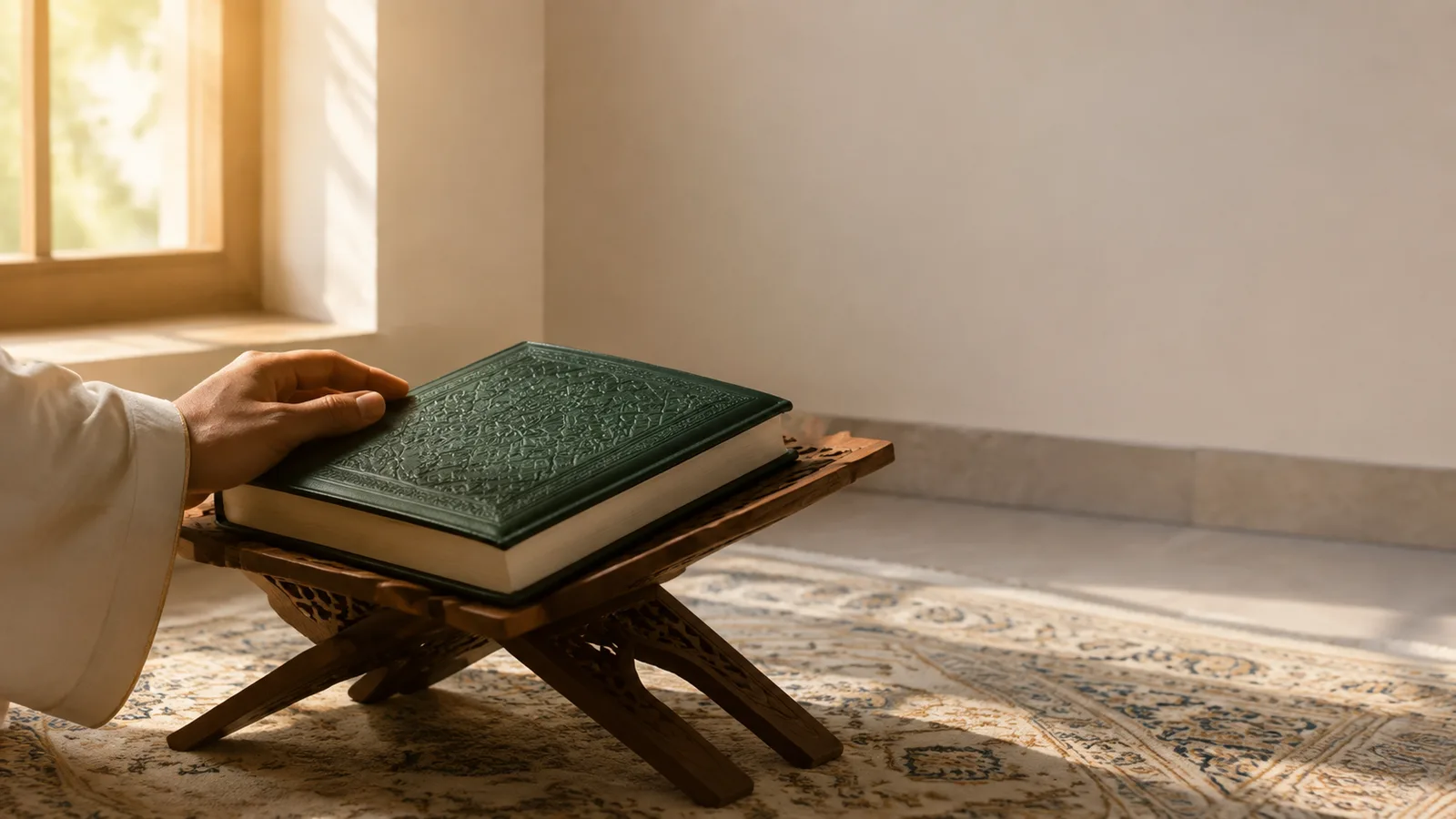
Ghunnah in Tajweed: Meaning, Where It Occurs and How to Practise It
What ghunnah is, the places in recitation where it is held, how to feel it with the nose test and how to practise it without overdoing it.
Sep 5, 2026Read →

Idgham Rules in Tajweed: Merging Noon Sakinah and Tanween
The six letters of idgham, which four carry ghunnah, why the rule needs two words, and a walk-through of famous examples.
Sep 5, 2026Read →

Ikhfa Rules in Tajweed: The 15 Letters and How to Conceal the Noon
The fifteen ikhfa letters, what the tongue does between clear and merged, how the next letter colours the sound, and famous examples.
Sep 5, 2026Read →
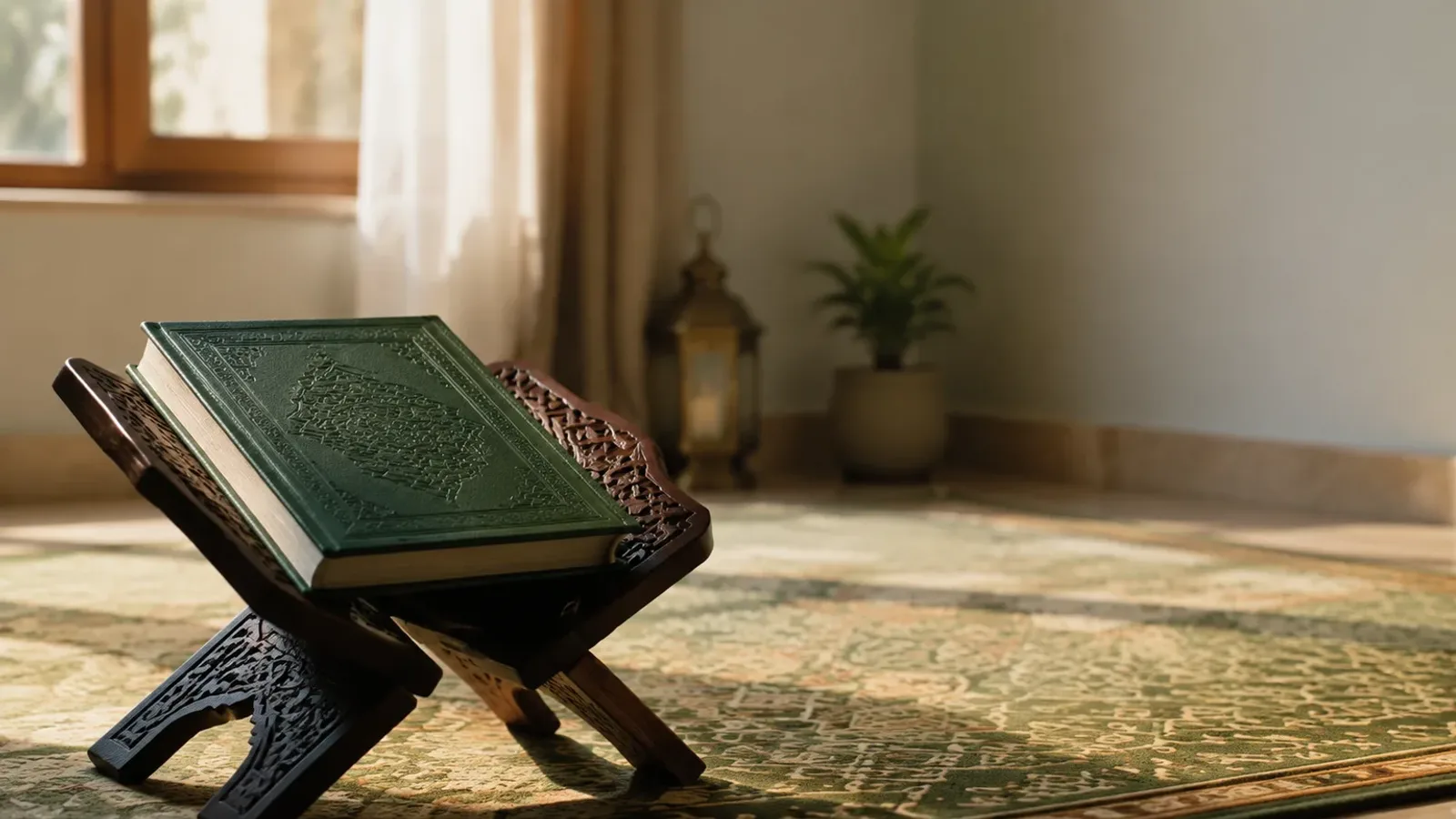
Iqlab Tajweed Rule: When Noon Becomes Meem Before Baa
How a noon sakinah or tanween becomes a hidden meem before baa, what the small meem in the mushaf means, and how the lips should move.
Sep 5, 2026Read →

Waqf Rules: How to Stop and Start Correctly When Reading the Quran
What waqf and ibtida mean, how a word's ending changes at a stop, the stopping signs in the mushaf, and how to manage breath and resume.
Sep 5, 2026Read →

How to Memorise Surah al-Kahf: A Section-by-Section Plan
Treat Surah al-Kahf as four stories with a frame around them: memorise one account at a time, join each to the last, and revise from the first week.
Sep 5, 2026Read →

How to Memorise Juz Amma: The Order, the Method and the Revision
Start with the surahs you already hear in prayer, fix their errors first, then work through the 37 surahs of Juz Amma in bands of length with revision built into your prayers.
Sep 5, 2026Read →

Common Hifz Mistakes and How to Fix Them
Nine hifz mistakes that are errors of method rather than memory, from memorising before reading is accurate to counting pages instead of retention, each with a specific fix.
Sep 5, 2026Read →

Part-Time Hifz vs Full-Time Hifz: Which Path Fits Your Family?
A balanced look at part-time and full-time hifz: what each involves, how they trade pace against flexibility, who each suits and the questions to ask before choosing.
Sep 5, 2026Read →

Quran Classes for Homeschoolers: Fitting Quran Into a Home Curriculum
A practical guide to giving Quran a fixed place in a home curriculum, with a live teacher handling the subject while you co-ordinate the rest of the day.
Sep 5, 2026Read →

Quran Classes for Special Needs Children: What Helps and What to Ask
Why private lessons often suit children with additional needs, the adjustments families commonly ask for, and what to tell the teacher before you begin.
Sep 5, 2026Read →

Quran Class Progress Reports: What Parents Should Look For
What a good monthly report should tell you, how to read it without over-reacting to page counts, and how to turn it into a better conversation with the teacher.
Sep 5, 2026Read →

Online Quran Class Setup at Home: Space, Device and Sound
Where to put the desk, how high the camera should be, why headphones matter for hearing letters, and a two-minute routine that makes every lesson start on time.
Sep 5, 2026Read →

Tajweed for Kids: When to Start and How Children Learn It
Children absorb Tajweed by ear long before they learn its vocabulary. Here is what that looks like at each stage and how a one-to-one teacher builds it.
Sep 5, 2026Read →

How to Build an After-School Quran Routine That Lasts
A practical way to place Quran lessons, homework, dinner and rest into the same week without making every evening feel rushed.
Sep NaN, 2026Read →
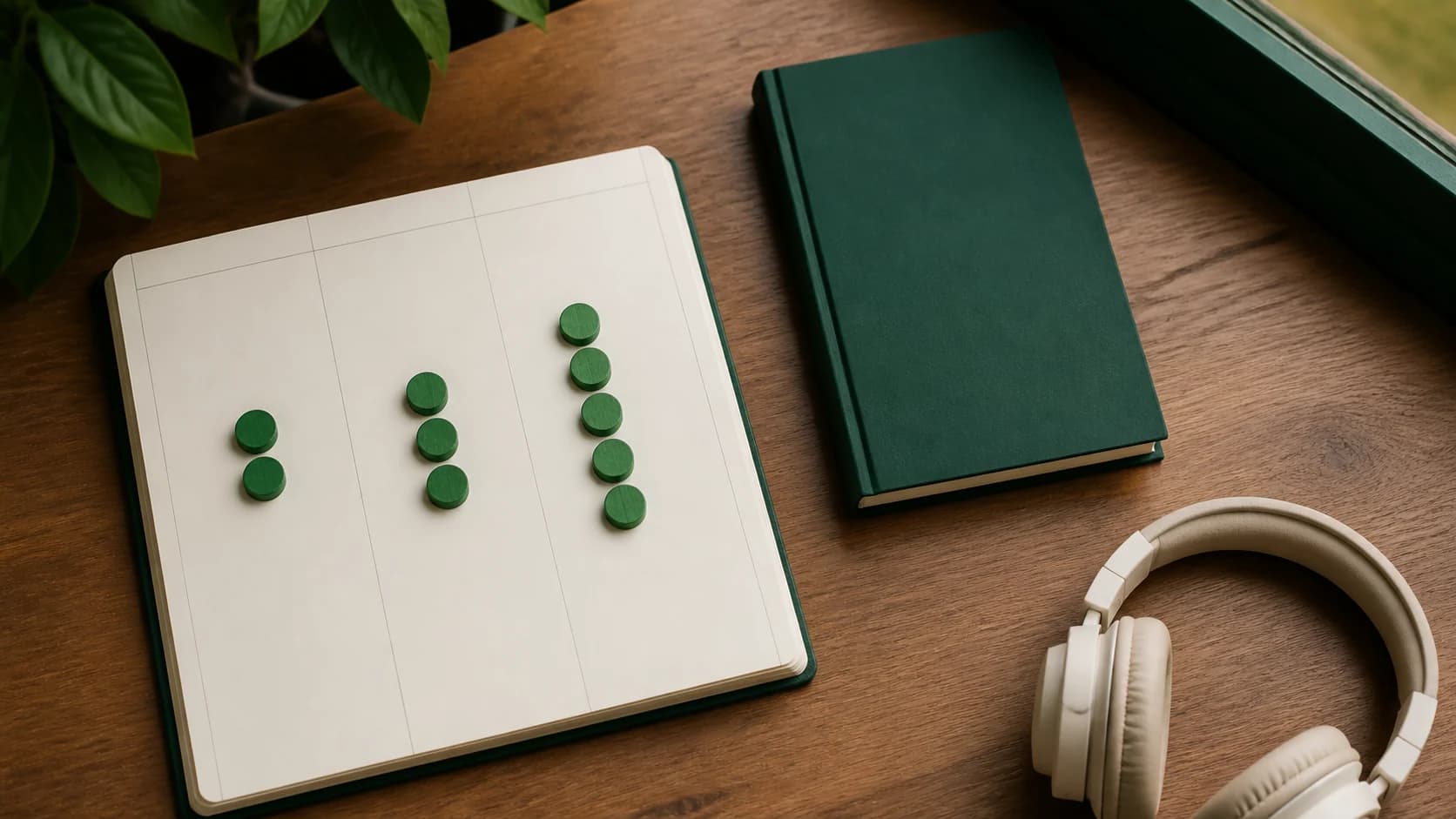
How Many Quran Classes Should You Take Each Week?
Compare two, three and five weekly lessons by goal, age, attention, practice time and the pace your household can genuinely maintain.
Sep NaN, 2026Read →

Online Quran Classes for Siblings: A Parent's Planning Guide
How to schedule siblings, decide between separate and shared lessons, manage devices and keep comparison out of their Quran learning.
Sep NaN, 2026Read →

How to Help a Shy Child Read Quran Aloud
Practical ways to reduce performance pressure, choose the right teacher and help a hesitant child become comfortable reading aloud.
Sep NaN, 2026Read →

A Parent's Role in Online Quran Lessons
When to sit nearby, when to step back, what to monitor and how to support practice without becoming a second teacher.
Sep NaN, 2026Read →

Quran Study During School Holidays: Keep Momentum Without Pressure
A flexible holiday plan for maintaining Quran learning through travel, late mornings, family visits and changing routines.
Sep NaN, 2026Read →

How to Restart After Missing Quran Lessons
A no-guilt plan for assessing what remains, rebuilding a small routine and returning to lessons after illness, travel or a busy season.
Sep NaN, 2026Read →

Quran Classes for Busy Professionals: A Realistic Study Plan
How working adults can choose lesson times, practise in short blocks and keep Quran study steady through deadlines and travel.
Sep NaN, 2026Read →

Meem Sakinah Rules with Clear Examples
Learn the three Meem Sakinah rules, how to recognise each one, and how guided listening helps you apply them accurately.
Aug 21, 2026Read →

Hifz for Kids: What Parents Need to Know
A realistic parent guide to readiness, routines, revision, teacher fit, and protecting a child's relationship with the Quran.
Aug 21, 2026Read →
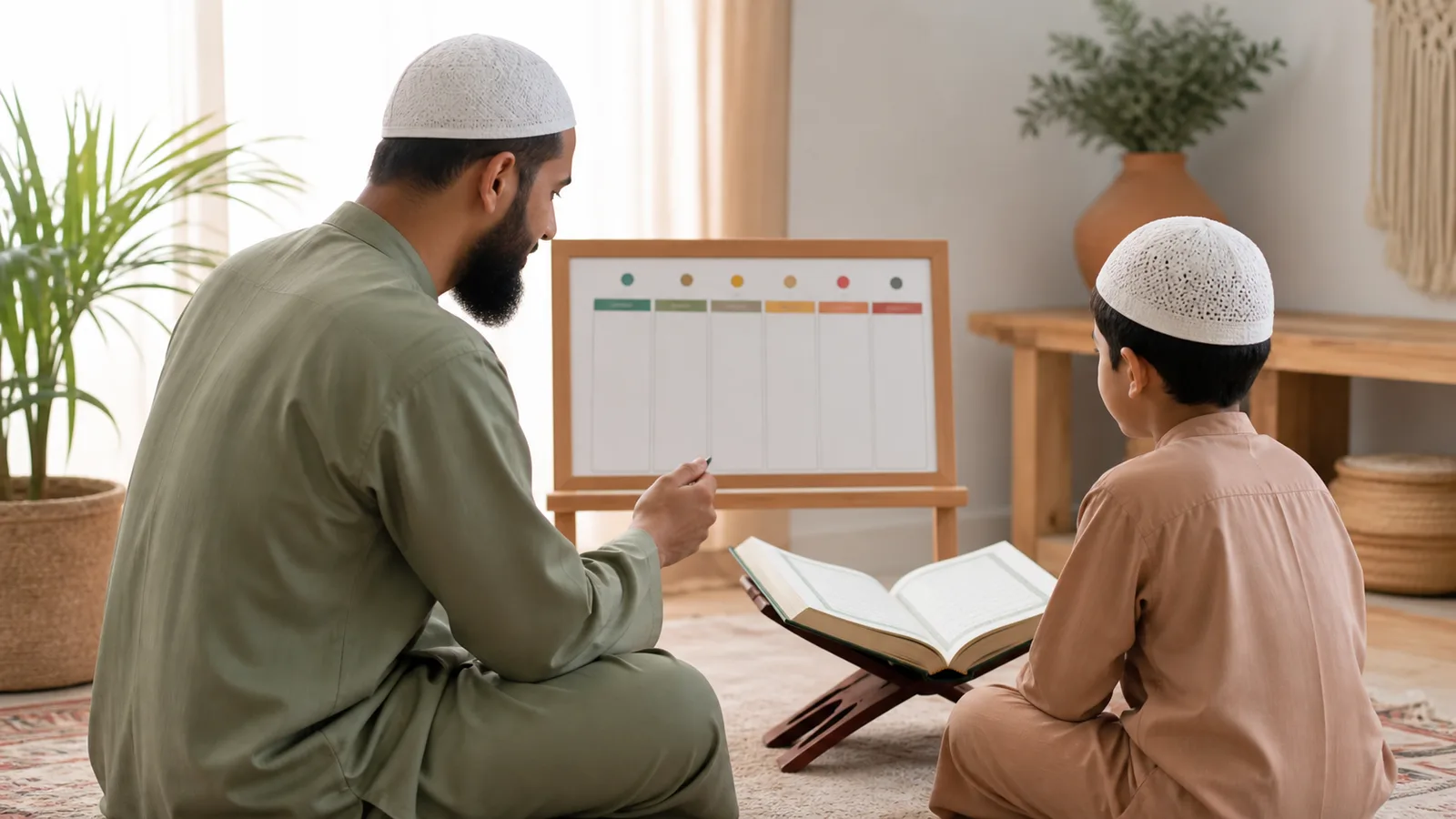
What Is the Best Age to Start Hifz?
There is no single perfect age. Learn the readiness signs that matter more than a birthday and how to begin without unnecessary pressure.
Aug 21, 2026Read →
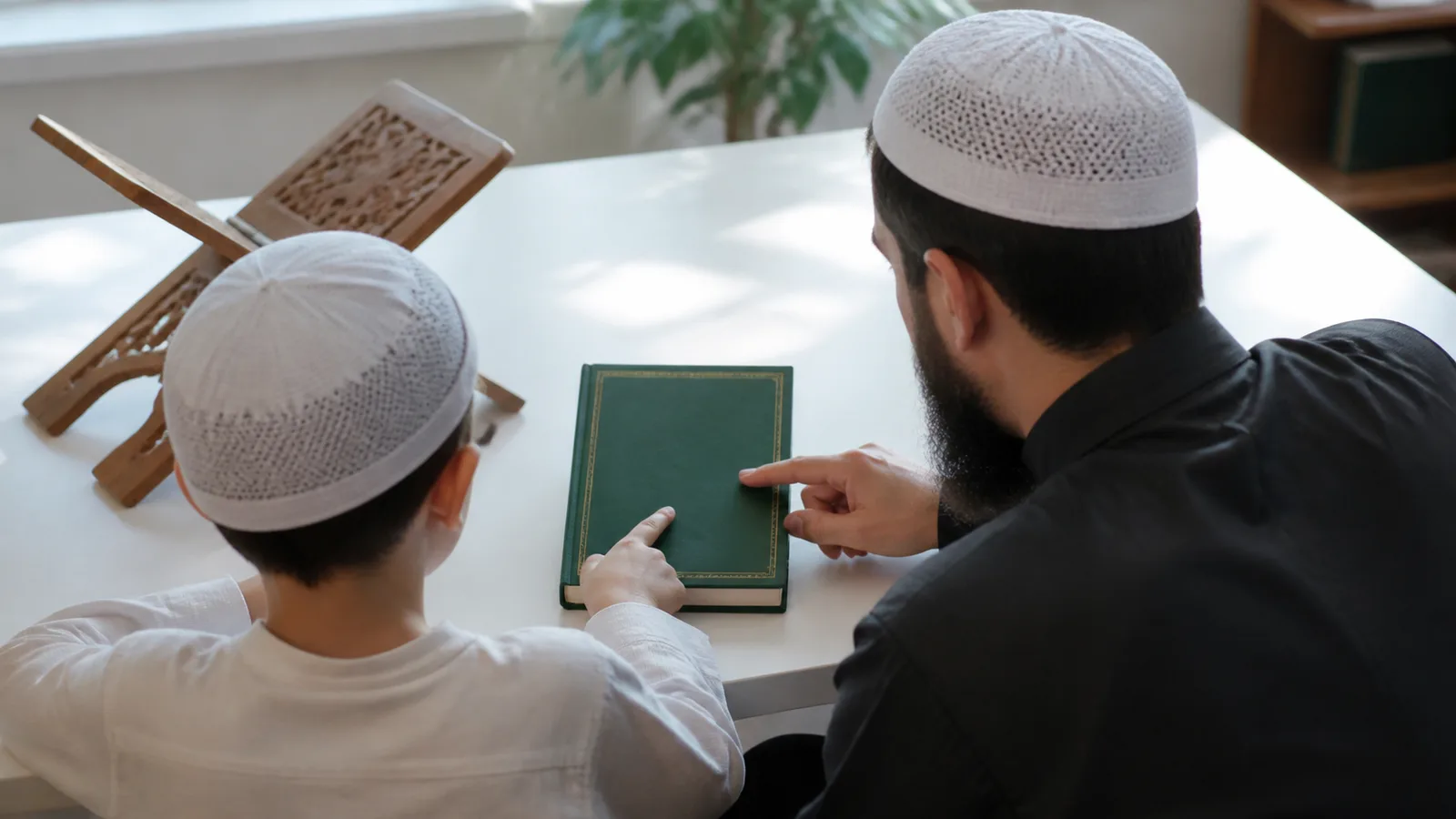
What Is Noorani Qaida and Why Start There?
See how Noorani Qaida builds letter recognition, joining, vowels and reading habits before a learner moves into the Quran.
Aug 21, 2026Read →

The Arabic Alphabet: A Complete Beginner's Guide
A calm introduction to Arabic letters, changing shapes, sounds and the practice habits that turn recognition into fluent reading.
Aug 21, 2026Read →
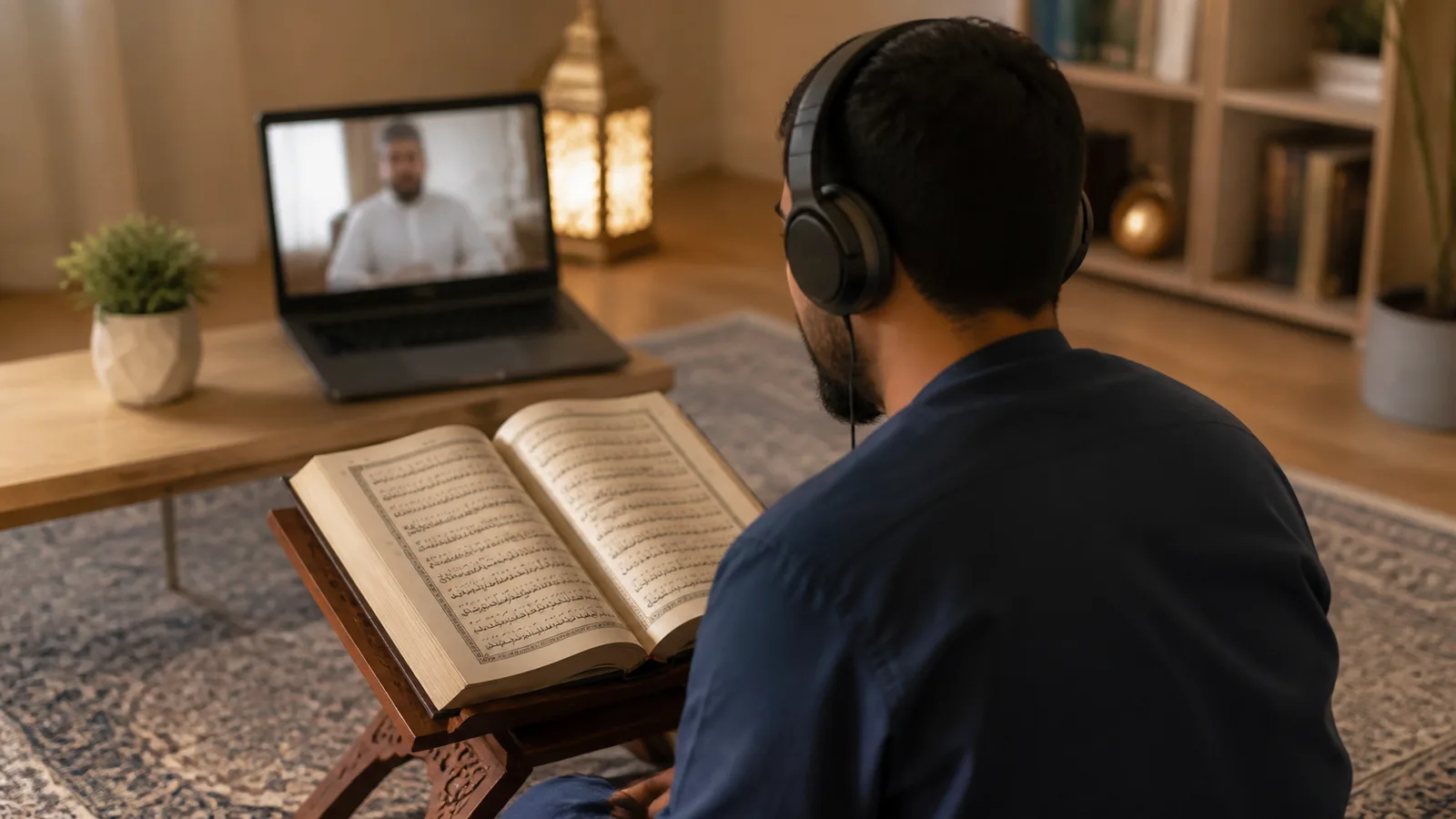
How to Read the Quran Without Knowing Arabic
You can learn accurate Quran reading before conversational Arabic. Here is what to study, what transliteration cannot do, and how to progress.
Aug 21, 2026Read →

From Qaida to Quran: What the Journey Looks Like
A stage-by-stage roadmap from recognising letters to reading connected Quran text with growing accuracy, confidence and independence.
Aug 21, 2026Read →

Learning the Quran as an Adult: It Is Not Too Late
Adult learners bring patience, purpose and self-awareness. Build a realistic routine that works around work, family and a busy mind.
Aug 21, 2026Read →

A Revert's First 90 Days with the Quran
A gentle 90-day roadmap that prioritises prayer essentials, sustainable reading practice and patient one-to-one support without overload.
Aug 21, 2026Read →

How to Keep Children Engaged in Quran Lessons
Engagement grows from the right level of challenge, clear feedback, movement, variety and a teacher who understands the child.
Aug 21, 2026Read →

How to Choose a Quran Teacher for Your Child
Use this practical checklist to assess recitation ability, teaching skill, communication, safeguarding and whether your child feels able to learn.
Aug 21, 2026Read →
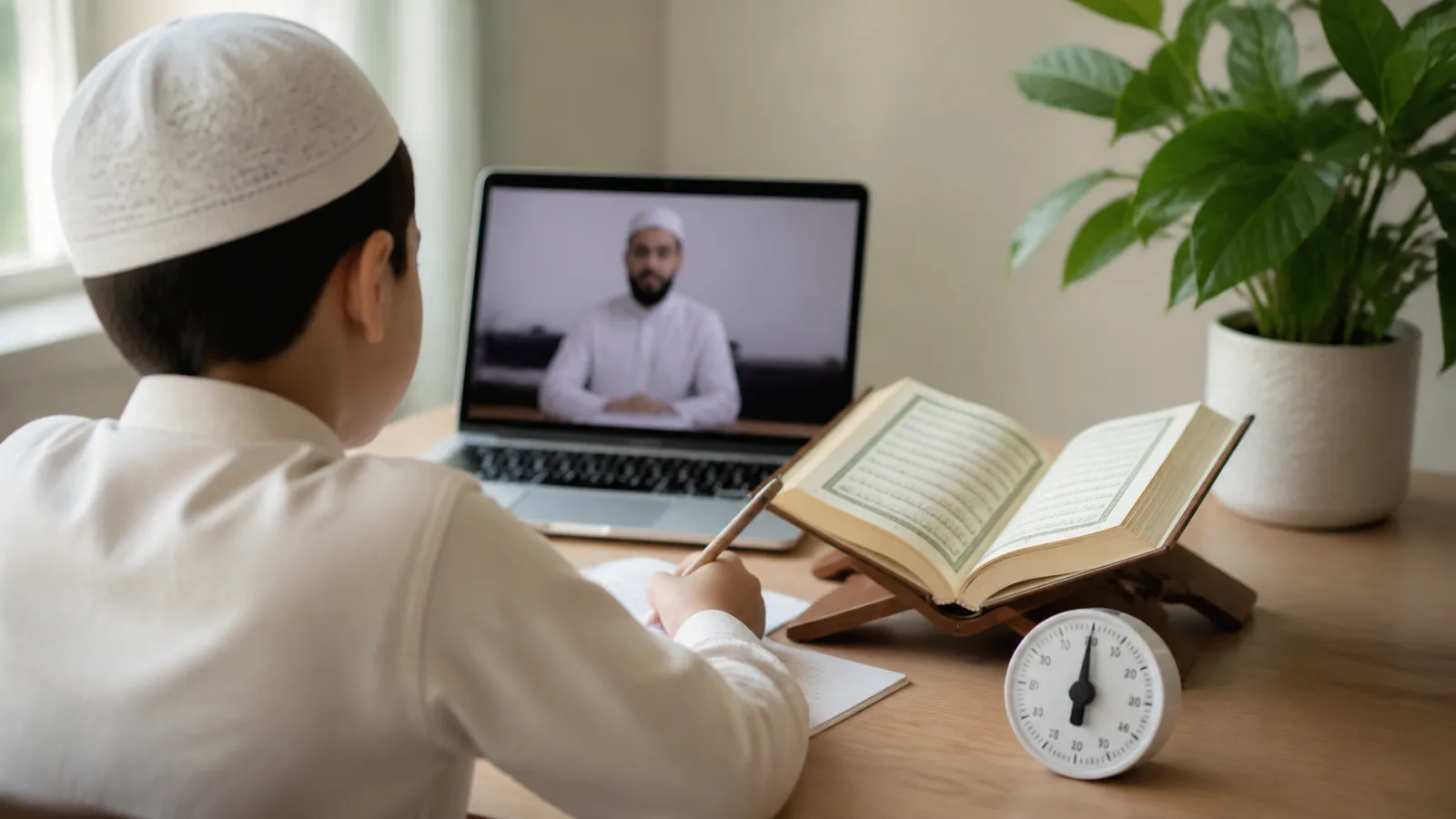
Screen Time and Quran Study: Finding the Balance
Online Quran lessons can be active human teaching rather than passive screen use. Structure the device, breaks and home environment with care.
Aug 21, 2026Read →

Signs Your Child's Quran Teacher Is a Good Fit
Look beyond whether the child behaves quietly. The best signs include clear correction, emotional safety, steady progress and honest communication.
Aug 21, 2026Read →

How Much Do Online Quran Classes Cost in 2026?
Understand the real cost drivers behind one-to-one Quran tuition and compare plans by teaching time, quality, flexibility and support.
Aug 21, 2026Read →

How to Choose an Online Quran Academy: 10 Checks
A polished website is not enough. Compare teacher quality, lesson design, safeguarding, progress reporting, flexibility and honest trial terms.
Aug 21, 2026Read →
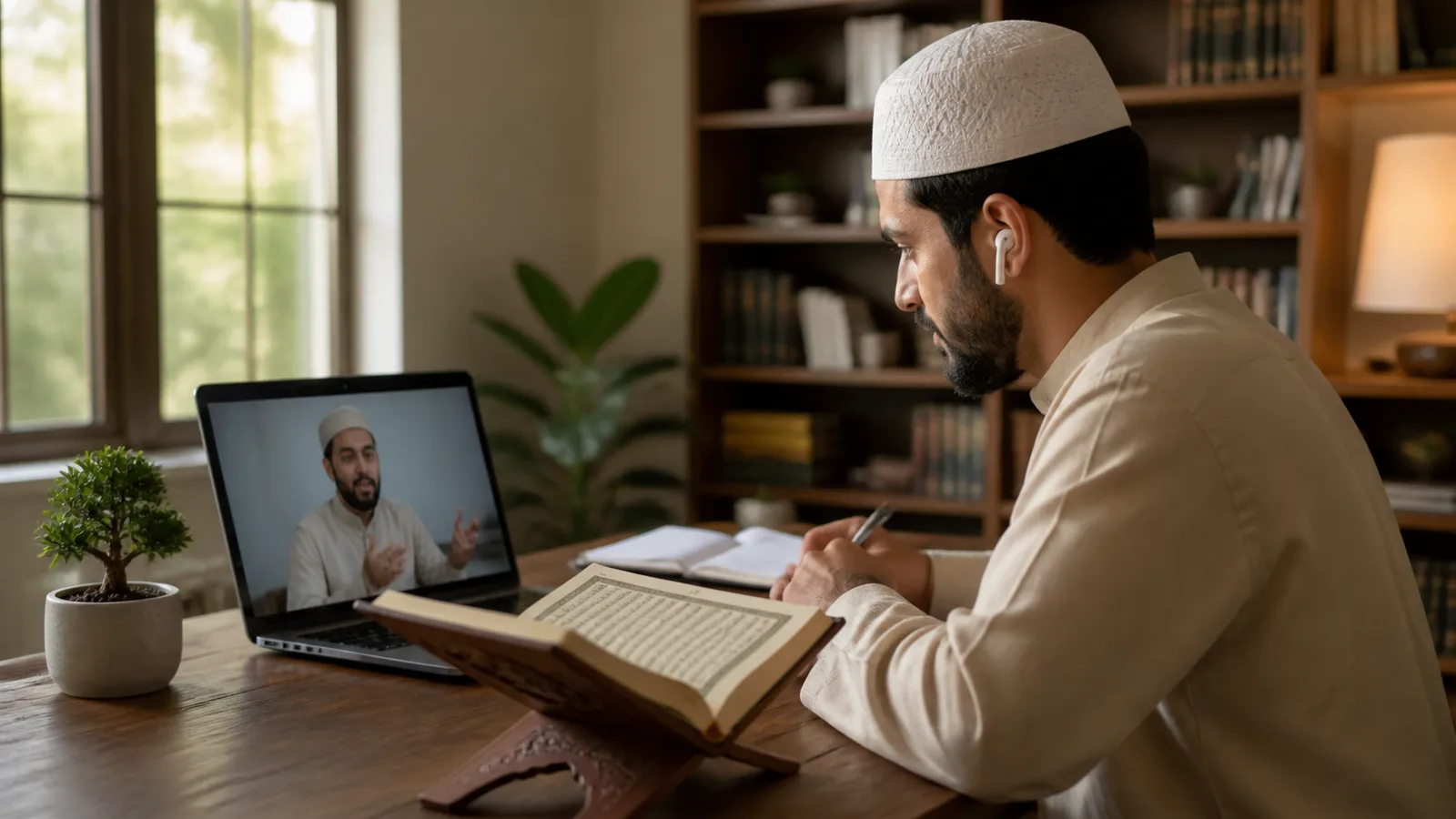
Are Online Quran Classes Actually Effective?
They can be highly effective when live correction, appropriate pacing, focused practice and a reliable learning setup work together.
Aug 21, 2026Read →

What Qualifications Should a Quran Teacher Have?
Credentials matter, but so do accurate recitation, teaching skill, safeguarding, communication and the ability to explain corrections clearly.
Aug 21, 2026Read →

One-to-One vs Group Quran Classes
Private lessons maximise individual correction and pacing; groups add community and lower cost. Compare the trade-offs for your learner.
Aug 21, 2026Read →

What to Expect in Your First Online Quran Class
Your first class should establish your starting point, goals, comfort and next steps—not pressure you to perform or commit immediately.
Aug 21, 2026Read →

Are Online Quran Classes Safe for Children?
Online learning can be structured safely when families combine visible spaces, clear policies, parent oversight and professional boundaries.
Aug 21, 2026Read →
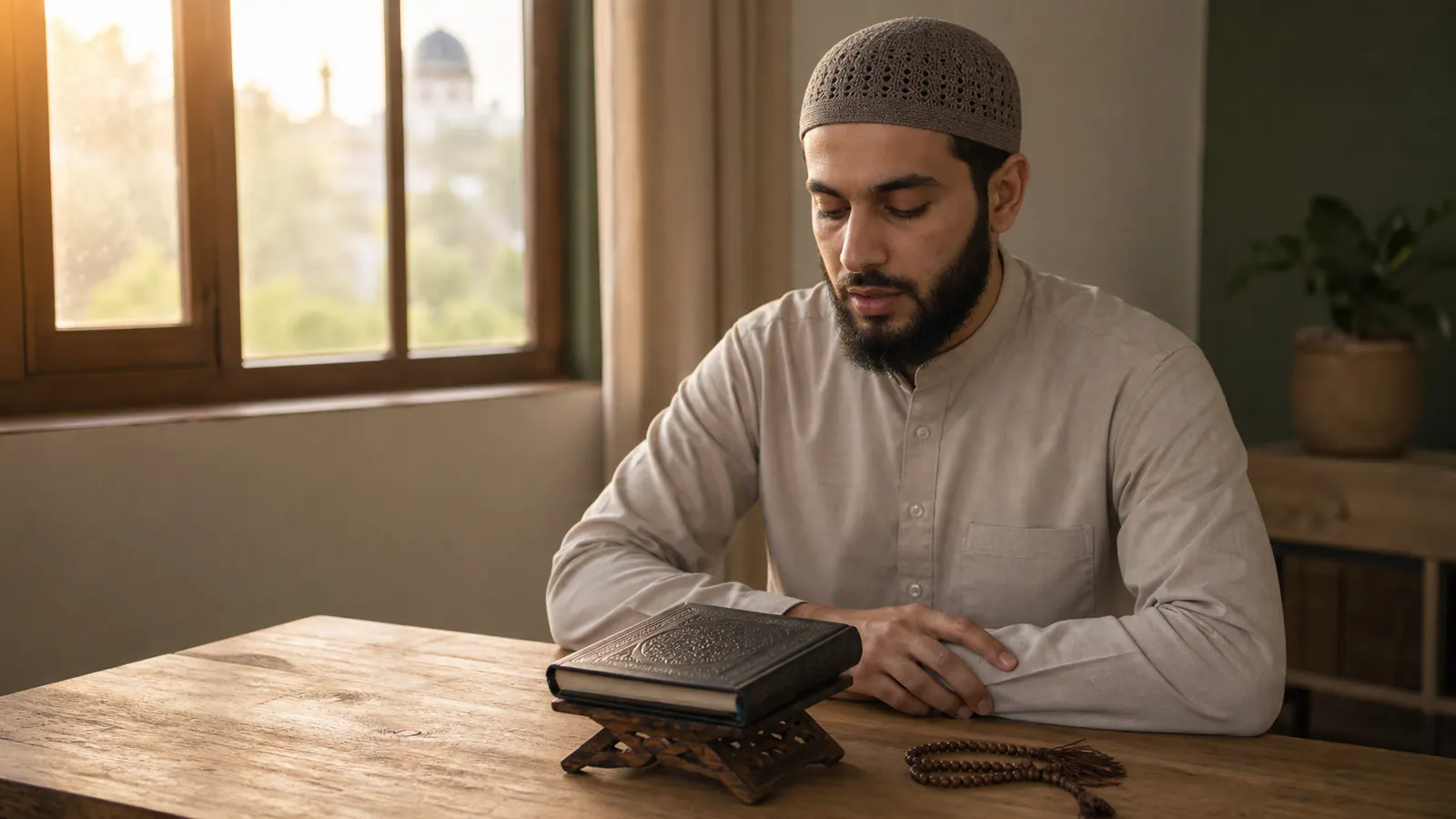
How Long Does It Really Take to Memorize the Quran?
The honest range, and the arithmetic behind it — 604 pages, a revision load that grows as you go, and the five things that actually move your timeline.
Aug 18, 2026Read →

A Realistic Daily Hifz Schedule for Working Adults
About forty minutes a day, split across three anchors, sustains real hifz around a job — plus the bad-day version and the order things get cut in.
Aug 18, 2026Read →
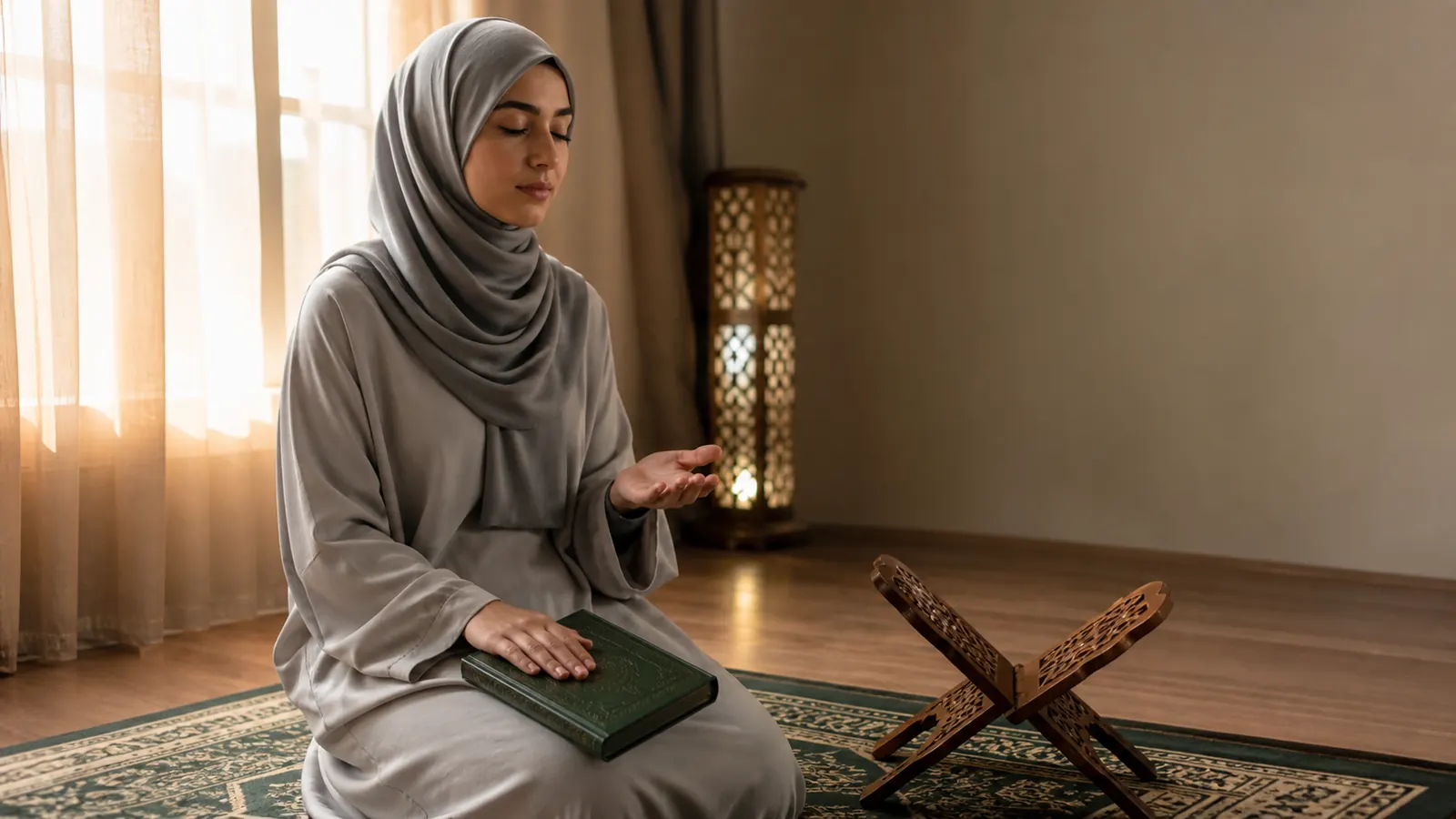
Why You Forget What You've Memorised — and How to Stop
Forgetting is mechanical, not moral. The seven reasons memorised portions slip away — including the similar verses that trip everyone — and the fix for each.
Aug 18, 2026Read →

Sabaq, Sabqi and Manzil: The Hifz System Explained
The three-part structure behind almost every serious hifz programme — what each portion is, how much of each to do, and how to rebuild it when it collapses.
Aug 18, 2026Read →

Qalqalah: The Five Letters That Bounce
Five letters give a slight echo when they carry no vowel. Here is what qalqalah should sound like, its degrees, and the mistake almost everyone makes.
Aug 14, 2026Read →

Can You Really Learn Tajweed Online?
Tajweed is an oral tradition, so the doubt is fair. An honest look at what carries over a video call, what is genuinely harder, and what actually decides it.
Aug 14, 2026Read →

Madd Explained: Why Some Letters Are Held Longer
Madd is elongation, counted in harakat. Here is the natural madd, the secondary types, and why two reciters can hold the same word for different lengths.
Aug 14, 2026Read →

Noon Sakinah and Tanween: The Four Rules, Simply Explained
Izhar, Idgham, Iqlab and Ikhfa cover all 28 letters between them. Here is what each one does, with examples and the sub-rule most beginners miss.
Aug 14, 2026Read →

The 10 Most Common Tajweed Mistakes New Readers Make
The errors that persist for years because nobody hears them — confused letters, inconsistent madd, missing ghunnah — and how to actually fix each one.
Aug 14, 2026Read →

The 17 Makharij — Where Each Arabic Letter Comes From
Every Arabic letter is formed at a precise point in the mouth, throat or nose. Here are all seventeen, and the letter pairs non-Arabs most often merge.
Aug 14, 2026Read →

Understanding the Quran: Why Learning Arabic Changes Everything
You can recite beautifully without knowing Arabic — but understanding transforms the experience. Where to begin with Quranic Arabic.
Jul 8, 2026Read →

Online vs In-Person Quran Classes: Which Is Better?
A candid comparison of one-on-one online classes and traditional in-person lessons — cost, flexibility, quality, and results.
Jul 1, 2026Read →

What's the Best Age for Kids to Start Quran Classes?
How young is too young, what to expect at each age, and how to keep children motivated in their Quran journey.
Jun 25, 2026Read →
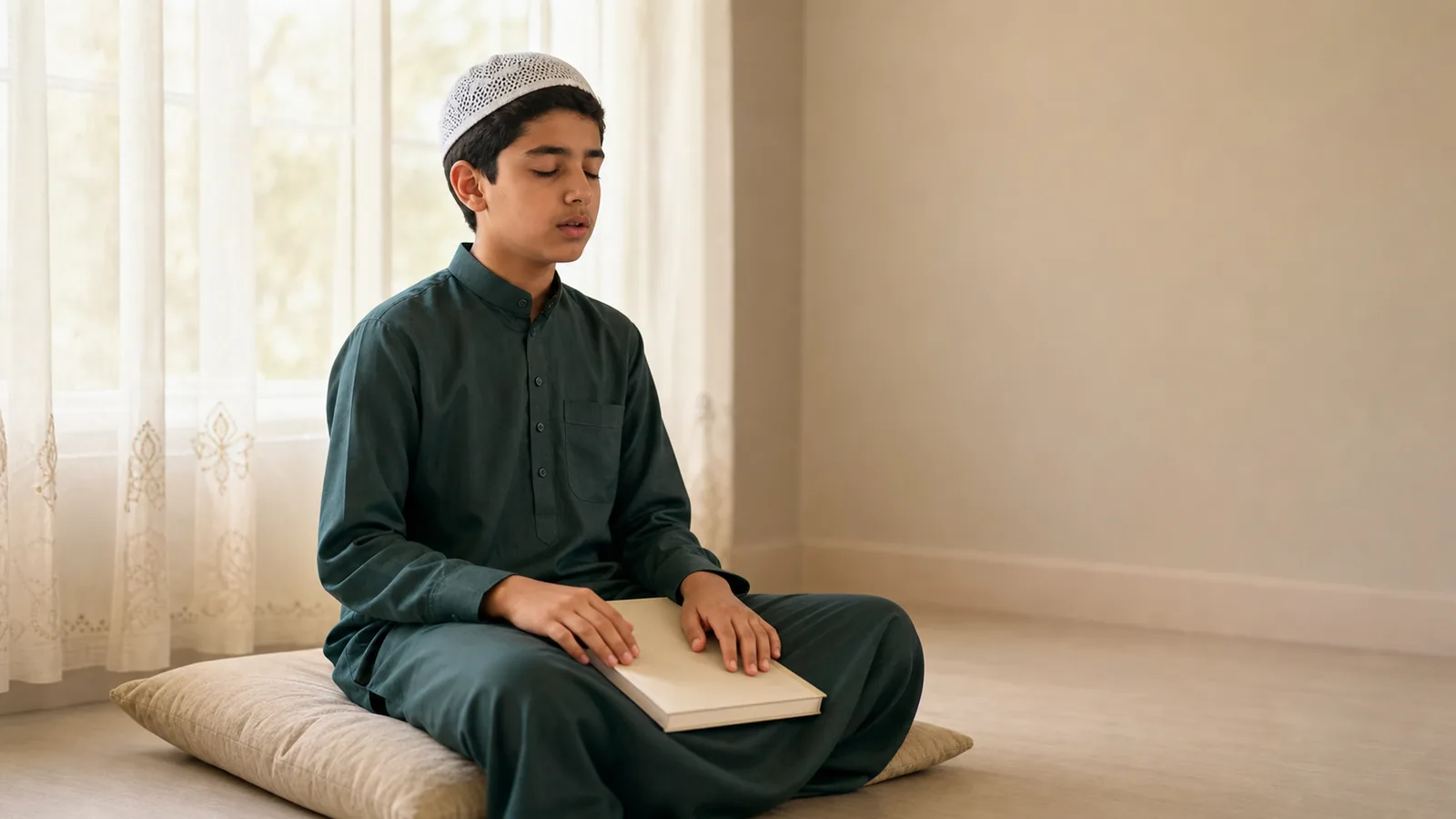
10 Practical Tips to Memorize the Quran and Actually Retain It
The sabaq–sabqi–manzil system explained, plus revision habits that keep what you've memorised from slipping away.
Jun 18, 2026Read →

What Is Tajweed and Why Does It Matter?
Tajweed is the science of reciting the Quran correctly. Here's what it covers, why it matters, and how to start learning it.
Jun 10, 2026Read →

How to Start Learning the Quran as a Complete Beginner
A step-by-step roadmap — from the Arabic letters and Noorani Qaida to fluent reading — for adults and kids starting from zero.
Jun 2, 2026Read →
Where we teach
Live one-to-one lessons, scheduled around your local timetable.
Who we teach
Every plan is built around the student's age, level and goal.